Portable Toilets offer multiple eco-friendly advantages, playing a significant role in sustainable waste management. The usage of these units helps conserve water significantly compared to traditional flush toilets, as they require no continuous water supply. This reduction in water usage is crucial, especially in areas facing water scarcity. Furthermore, Portable Toilets are designed to contain waste and minimize the risk of contamination to the surrounding environment, which is particularly important in sensitive ecosystems. Their design ensures sanitary conditions, which helps to prevent the spread of harmful microbes into soil and water sources. Managed sustainably, the waste collected from Portable Toilets can even be transformed into biogas, a renewable energy source, or converted into fertilizer through advanced processing technologies. By reducing the need for sewage networks and infrastructure, they present a more flexible and lower-impact option for temporary sanitation, supporting not only environmental sustainability but also responding effectively to emergency and temporary needs in a variety of settings. In events and outdoor gatherings, they offer a hygienic solution while reducing the carbon footprint associated with large-scale plumbing installations. Overall, Portable Toilets are an essential part of a green sanitation strategy by maximizing efficiency and minimizing environmental detriment. Their strategic deployment in areas with limited access to conventional infrastructure aligns with global sustainability goals, positively impacting both local communities and broader environmental health.

Portable Toilet Rentals in St. Pete Beach, Florida
Call today for a free quote (239) 448-4385
Portable Toilet
Fast, Easy, & 100% Free To Get Started
Over 20 Years of Experience
With over 20 years of experience, our portable toilet company has deep-rooted ties to St. Pete Beach. We are committed to delivering top-quality sanitation solutions, trusted by the community and driven by customer satisfaction.
Commitment to Quality Service
Our portable toilet company in St. Pete Beach is dedicated to providing quality service. We ensure each unit is meticulously cleaned and maintained, offering a reliable and hygienic solution for all your event needs.
Prompt Delivery Services
We take pride in our quick delivery services, ensuring that your portable toilet needs in St. Pete Beach are met promptly. Our efficient logistics guarantee you'll have sanitation solutions whenever and wherever you need them.
Convenient Portable Toilets in St. Pete Beach
Call for a Free Quote Today
(239) 448-4385
Located in the heart of St. Pete Beach, our portable toilet company excels in providing top-notch sanitation facilities for all your event needs. Known for our dependable and reliable services, we take pride in being a locally owned business that understands the unique needs of our community and surrounding areas. Whether you're hosting a bustling festival, an elegant wedding, a lively party, or managing a construction site, we have the perfect sanitation solutions. Our commitment to cleanliness and customer satisfaction makes us a trusted name across St. Pete Beach, Clearwater, Gulfport, and beyond. With a wide range of portable toilets to fit every occasion and budget, we ensure your guests have the comfort and convenience they deserve. Choose us for your next event and experience unmatched service quality.
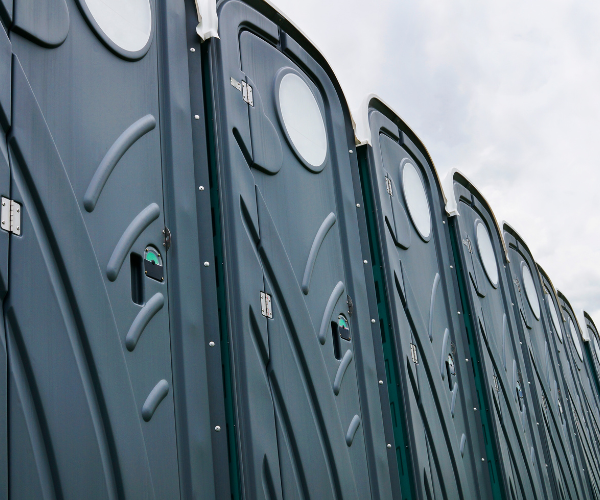
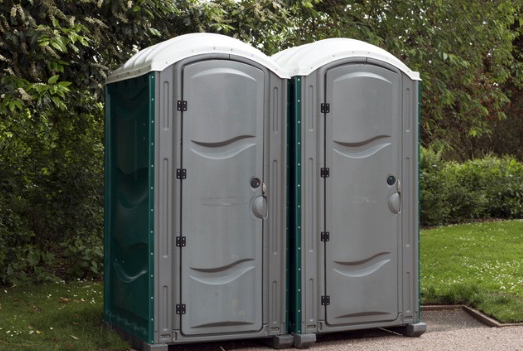
Our standard porta john rental units are durable and reliable for any commercial build site, housing development, public works project, or remodel job.Features include dome lighting, grated floors, and an “In-Use” locking mechanism for privacy and comfort. Regularly maintained, inspected, and cleaned by FusionSite at your location.
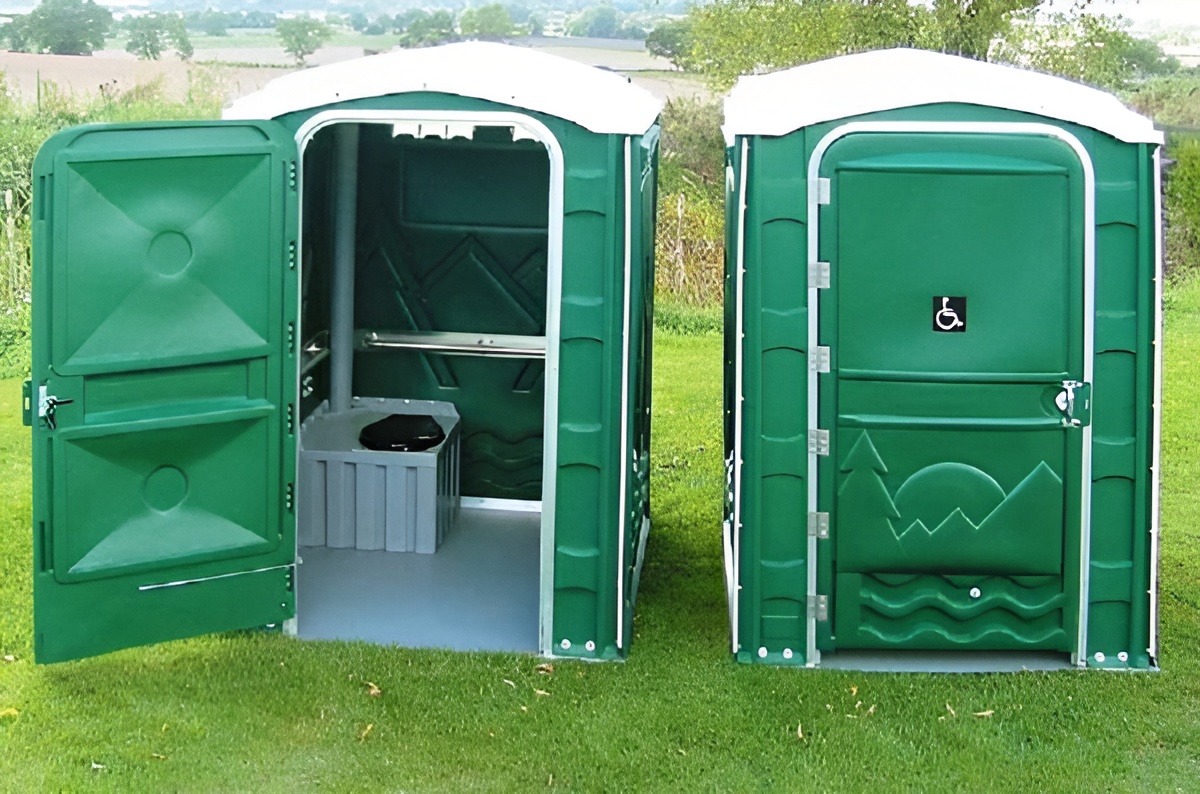
Developed as an alternative to full ADA-compliant restrooms, the Liberty is a spacious, wheelchair-accessible unit that can also be promoted as a family-sized restroom. Includes a patented flat-floor system for easy wheelchair access and maneuverability.Handrails, paper holder, and rotary latch are designed for simple, intuitive end-user operation.
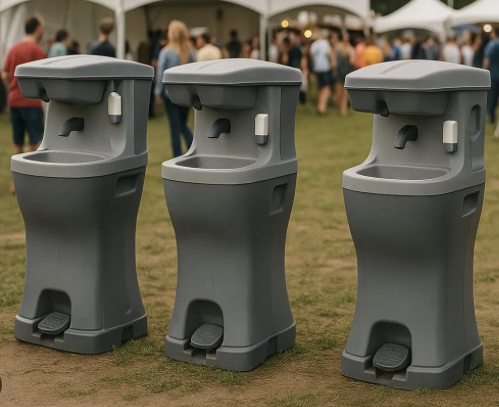
Portable hand washing stations are essential for keeping your work site sanitary and clean. Features hands-free foot pumps, liquid soap, and paper towels.Perfect for job sites without water hookups, these units can handle hundreds of washes between services.
We Proudly Serve
Standard Portable Toilets
Our Standard Portable Toilets provide essential sanitation solutions for events and job sites in Florida, ensuring reliability and cleanliness.
High Rise Portable Toilets
High Rise Portable Toilets offer convenient sanitation solutions for elevated work sites in St. Pete Beach, Florida.
Restroom Trailers
Restroom Trailers from Premier Portables in St. Pete Beach deliver comfort and quality for upscale events and larger gatherings.
Roll off Dumpsters
Premier Portables offers Roll off Dumpsters in St. Pete Beach to efficiently manage waste for projects and events.
Septic Tank Cleaning
In Florida, Premier Portables provides Septic Tank Cleaning to maintain hygiene and functionality, ensuring a clean environment.
Grease Trap Cleaning
Efficient Grease Trap Cleaning services in St. Pete Beach, ensuring safety and compliance with local regulations.
Fencing & Barricades
Premier Portables provides Fencing & Barricades in Florida for secure, organized, and safe event or project sites.
Residential Storage
Our Residential Storage solutions in St. Pete Beach offer secure, convenient options for households in need of extra space.
St. Pete Beach Portable Toilet Rentals
Obtaining a quote and scheduling delivery for our portable toilets is designed to be straightforward and convenient. Start by filling out our user-friendly quote forms positioned strategically at the top and bottom of our website pages. These forms require simple details: your first name, last name, phone number, and email, making the process efficient and hassle-free. Additionally, the "Get A Quote" buttons are accessible throughout the site, allowing you to initiate your request at your convenience. Once your information is submitted, our dedicated team promptly responds to confirm the details and provide an accurate quote that aligns with your needs. It's important for us to make the entire experience smooth from start to finish, reducing the stress often associated with event planning or construction management. By streamlining the quote and delivery process, we ensure that your portable toilet needs are met efficiently, allowing you to focus on more meaningful aspects of your project or event. This customer-centric approach embodies our commitment to excellence and positions us as the top choice for portable toilet rentals in St. Pete Beach and beyond.
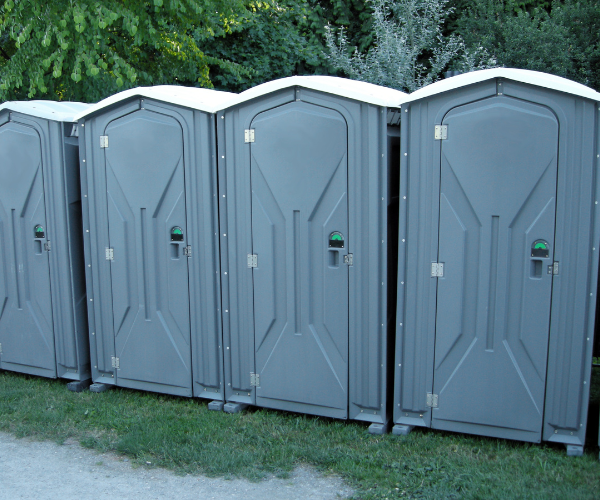
Discover the unique allure of St. Pete Beach with Premier Portables. Our top-tier Portable Toilets cater to every outdoor attraction and community event, from the sunny stretches of Upham Beach to the lively Corey Avenue Sunday Market. Nestled in this vibrant area and surrounded by stunning natural beauty, our services focus on maximizing guest comfort. Whether it's a sun-drenched festival or an intimate family gathering, we promise clean, convenient facilities.Our reliability stems from years of dedicated service in St. Pete Beach. Trust us to handle sanitation needs that not only meet but exceed expectations, ensuring every event is seamless and enjoyable for everyone.
When it comes to Portable Toilets in St. Pete Beach, our company stands unmatched. With a rich history and strong community connections, we are committed to providing outstanding customer service and exceptional products. Our reliable solutions ensure superior hygiene at any event.Your satisfaction defines our success. Choose us for a seamless sanitation experience that maintains guest comfort and ensures your event runs smoothly.
Swift, reliable delivery service is the cornerstone of our portable toilet offerings in St. Pete Beach.Recognizing the critical need for timely solutions, we guarantee our units arrive punctually. Whether your event is intimate or grand, our logistics team skillfully arranges placements to enhance your event's flow.Count on our commitment to speed and efficiency. We offer more than just products; we deliver peace of mind, freeing you to focus on creating an unforgettable event.
Explore Our St. Pete Beach Portable Toilets
Renting a Portable Toilet in St. Pete Beach is a straightforward process designed for your convenience. Begin by locating our quote forms placed prominently at the top and bottom sections of our website pages. These forms require you to fill in some simple details including your first name, last name, phone number, and email—basic information that helps us tailor our services to meet your specific needs. Moreover, throughout our website, you'll find strategically positioned 'Get A Quote' buttons which you can click anytime to initiate your request. Once your inquiry is received, our dedicated team promptly follows up to confirm details and provide you with a precise and competitive quote. Our streamlined approach is designed to eliminate hassle and ensure that your portable toilet needs are efficiently met, providing you with peace of mind. Whether you're planning a large event, hosting a small gathering, or managing a construction project, our reliable service and timely delivery guarantee you'll have access to the sanitation facilities required to make your event successful and stress-free. Our detail-oriented and customer-focused process reflects our commitment to excellence and positions us as the preferred choice for Portable Toilet rentals in St. Pete Beach and the surrounding areas.
Understanding the importance of timely service, we offer prompt delivery for all Portable Toilet orders. Generally, the delivery timeframe is tailored to align with your specific schedule needs, ensuring maximum convenience. For standard orders, we usually operate within a window of 24 to 48 hours to arrange and deliver the requested units directly to your location. This timeline allows adequate time for site preparation, finalizing arrangements, and addressing any unique logistical requirements that may arise. For larger events or complex setups, we encourage early engagement with our team to ensure we accommodate all necessary details and deliver seamlessly. Our highly efficient logistics team coordinates the route and manages all aspects of delivery to meet these timelines effectively. The effort is always to minimize disruption and ensure our Portable Toilets are in place well before the start of your event. This flexibility in service, coupled with our commitment to reliability, ensures client satisfaction every step of the way. Special accommodations can also be facilitated whenever urgent requests or accelerated delivery is required, further exemplifying our client-centric approach in St. Pete Beach.
Yes, we are fully equipped to service any type of event or construction service with a comprehensive range of sanitation solutions. Whether it's a music festival, sporting competition, or elegant wedding, we provide luxury restroom trailers, standard porta-potties, and an array of options to suit the occasion. For corporate events, family reunions, or special gatherings, our portable sinks, ADA units, and hand sanitizer stations ensure hygiene standards are met. In addition, we offer roll off dumpsters for effective waste management, along with fencing and barricades to maintain orderly event grounds. This versatility makes us the trusted choice for seamless sanitation across diverse event and site profiles. Our commitment to providing clean, durable units that meet the demands of high-traffic venues underscores our dedication to quality service and customer satisfaction. From planning to implementation, our experienced team supports you at every stage, ensuring your event or project maintains smooth operations. This flexibility and breadth of service offerings position us as the go-to provider for sanitation needs in and around St. Pete Beach. By partnering with us, you're assured a tailored approach that respects and elevates the specific nuances of your event.